Elderly Home Care vs Assisted Living: Household Participation and Oversight
Business Name: FootPrints Home Care
Address: 4811 Hardware Dr NE d1, Albuquerque, NM 87109
Phone: (505) 828-3918
FootPrints Home Care
FootPrints Home Care offers in-home senior care including assistance with activities of daily living, meal preparation and light housekeeping, companion care and more. We offer a no-charge in-home assessment to design care for the client to age in place. FootPrints offers senior home care in the greater Albuquerque region as well as the Santa Fe/Los Alamos area.
4811 Hardware Dr NE d1, Albuquerque, NM 87109
Business Hours
Families seldom plan these decisions years in advance. More often, a little fall, a new medical diagnosis, or subtle memory modifications push the question forward: should we bring aid into your house, or consider a relocate to assisted living? Tucked inside that decision is something deeply human. How will we, as a family, remain involved day to day? Just how much oversight will we really have? The answers depend less on glossy sales brochures and more on the workflows of care, the physics of distance, and the habits of communication that grow between relatives and professionals.
I have sat with families at kitchen tables and in facility meeting room. I have watched adult daughters handle spreadsheet budgets with caregiver schedules, and I have actually viewed kids find out how to assist Dad stand securely without bruising his forearms. I have likewise seen the relief that originates from a dependable assisted living routine. There is no single best response. There are, nevertheless, clear differences in how each model forms family participation, how oversight in fact plays out, and what takes place when reality creeps in around the edges.
What "involvement" really means
When individuals say they wish to "stay involved," they normally imply a mix of gain access to, influence, and closeness. They want to see what the day looks like, speak up when something feels off, and be present for normal minutes as much as for crises. They also desire the reassurance that their moms and dad is known by name, not just chart number, which modifications get discovered quickly.
Elderly home care, that includes in-home care and at home senior care supplied by a senior caretaker, tends to make the most of gain access to and nearness. You remain in the very same spaces, hearing the very same noises. You can view how Mom consumes, whether she grimaces when standing, or how frequently Dad clears his throat. Assisted living, in contrast, supplies structured assistance with a lot of careful eyes over a broader span of hours, however you experience it mainly through prepared gos to, phone updates, care notes, and the feel of the typical areas when you stop by.
Influence is the bridge between the two. In the house, you manage the schedule, the pantry, and the concerns. In assisted living, you share control through a service plan worked out with the facility. Both designs can work well. The right fit depends upon how your household wants to appear, and how your loved one reacts to others in their personal space.
How home care changes the household's daily life
Bringing a home care service into your home is like including a brand-new family member with a job description. Even part-time help reshapes the day. Early mornings may move previously so a caregiver can do a safe shower and set out medications. Groceries shift to smaller sized, more regular journeys so fresh fruit and yogurt are constantly on hand. Trash day ends up being a moderate occasion since the senior caretaker and Dad have turned it into a brief walk and back. The goal is to keep routines anchored in the familiar.
The benefit is palpable. Families typically capture subtle changes quicker at home. A child notifications that her mother unexpectedly prefers softer foods, or that stairs take a beat longer. These information do not always get taped, however someone sees them. That early visibility can prevent a crisis. It is common to adjust the senior home care schedule by a couple of hours or generate a physical therapist after a small wobble, rather than waiting for a bigger fall.
There is a trade-off. Home care asks families to function as micro-managers and macro-coordinators simultaneously. Even when the agency deals with payroll and backup staffing, you will still fix last-minute call-offs, set boundaries on jobs, and direct the circulation of the week. If multiple brother or sisters share the oversight, you will need a single source of fact for schedules, medication updates, and the little observations that matter. Households who do finest with home care often designate a lead point person and a weekly cadence for check-ins, even if only 15 minutes on Sunday nights.
Over time, your home itself becomes a record. Whiteboards reveal high blood pressure varieties, sticky notes mark suggestions, pillboxes tell their story, and checklists evolve from a few lines to a tidy regimen. It does not need to look scientific. Many families tuck structure into ordinary objects: a spiral bound notebook on the kitchen area counter, a basket by the chair for television remotes, cream, and a reacher, a little apply for treatment orders and lab slips. The goal is not excellence, it is continuity.
What assisted living changes in day-to-day rhythms
Assisted living welcomes your parent into a brand-new neighborhood with shared dining, activity calendars, and personnel who handle the foreseeable parts of care. The building becomes the system. Meals are cooked, housekeeping occurs on a cycle, and assist with bathing and dressing comes on a schedule set in the service strategy. The safety net runs all the time, often with overnight staff close by. For lots of families, the relief is genuine. You can visit as a child or kid once again, not the hands-on assistant who also needs to cook and clean.
Family involvement does not shrink so much as it shifts. You become an advocate and a partner. The best outcomes occur when relatives learn the center's patterns: when the nurse does her early morning med pass, when the activities director plans occasions, and who manages weekend protection. This practical knowledge assists you time your check outs and your demands. If Dad gets sundowning signs around 4 p.m., you may ask activities to involve him after lunch so he is more settled later on. If Mom needs extra time at dinner, you can ask for a seat closer to the kitchen area where personnel pass more often.

Oversight in assisted living is system-based. You will review care strategies every few months or after a change in condition. Some neighborhoods use household websites that reveal daily care tasks, attendance at activities, or a record of vitals. Even without that technology, you can construct a constant picture through brief, focused conversations with personnel. Ask what they observe when your parent transfers from bed to chair, or how typically they consume dessert. These small information expose the quality of attention in the room.
There is a compromise here too. You will not see whatever. If your moms and dad is private, they might disappoint you the hard minutes. If you visit at the same time of day, your view can be skewed by that shift's strengths or weak points. The solution is not to hover, but to differ your check outs, discover names, and compare notes over time. Good assisted living groups appreciate household partners who exist, clear, and respectful.
Oversight in the house: clearness, borders, and backup
Families typically anticipate home care to be "easy oversight" because it occurs under your roof. It is more nuanced. True oversight means setting tasks, observing them gradually, and giving feedback that sticks. That requires clear expectations, a feedback channel, and a prepare for what takes place when your lead caretaker is off or moves on.
Clarity is simple to sketch and harder to maintain. Spell out the top priorities in plain language: safe bathing with guidance, medication suggestions at 9 a.m. and 9 p.m., fresh hydration within reach every 2 hours while awake. Prevent vague add-ons like "keep your house tidy," which, in practice, can consist of anything from dishes to laundry to scrubbing the shower. If the company contract lists light housekeeping, request for an example list and specify your leading 2 items per shift.
Boundaries secure self-respect. A senior caregiver is not a family therapist, a chauffeur at all hours, or a handyman for each repair. If a job creeps beyond the scope, surface area it early with the company so you can either amend the plan or say no. This avoids burnout on all sides.
Backup requires grit. The best firms keep a bench of trained staff and a clear on-call procedure. Still, you will need a Fallback for the day an ice storm strikes or a caregiver has cars and truck trouble. Neighbors, trusted friends, an adult brother or sister close by, or a quick remain at respite care can fill gaps. Think through these contingencies before you are in a scramble. Households that make a note of two emergency situation choices feel less tension and can hold the line on safety.
Oversight in assisted living: service strategies, escalation, and visibility
Assisted living oversight resides in the service strategy and the relationships around it. The strategy outlines what staff will do and when, from help with bathing to cueing for memory care. It is both a guarantee and a boundary. Read it closely. If your moms and dad starts to need more help standing from a chair, request for a mid-cycle update instead of waiting for the quarterly evaluation. Services in assisted living are tiered, and small changes can matter for safety.
Escalation courses make a distinction. Know who to require what. If your concern is an injury, request for the nurse. If it is laundry going missing, the housekeeping lead is your individual. For activity engagement, the life enrichment director is essential. When a concern spans departments, summarize it in one brief email to the director with the pertinent personnel copied. Keep the tone accurate and collective, and request a timeline for reaction. Facilities respond best when households are organized and affordable but firm.
Visibility can be constructed creatively. Visit throughout meals often, not only on Sundays after church. Attempt a weekday afternoon when staffing patterns vary. Ask to attend the next care conference even if it is by phone. If your parent remains in memory care, short, differed visits work much better than long sessions that can overstimulate. Staff tend to share more when they feel you see their work at different times of day.
The costs households forget to count
Money matters here, however so does time and emotional load. Households frequently compare line-item costs and stop there. A fuller contrast includes the covert classifications: your own hours, your commute, the tension of last-minute coverage, or the travel needed to visit a facility.
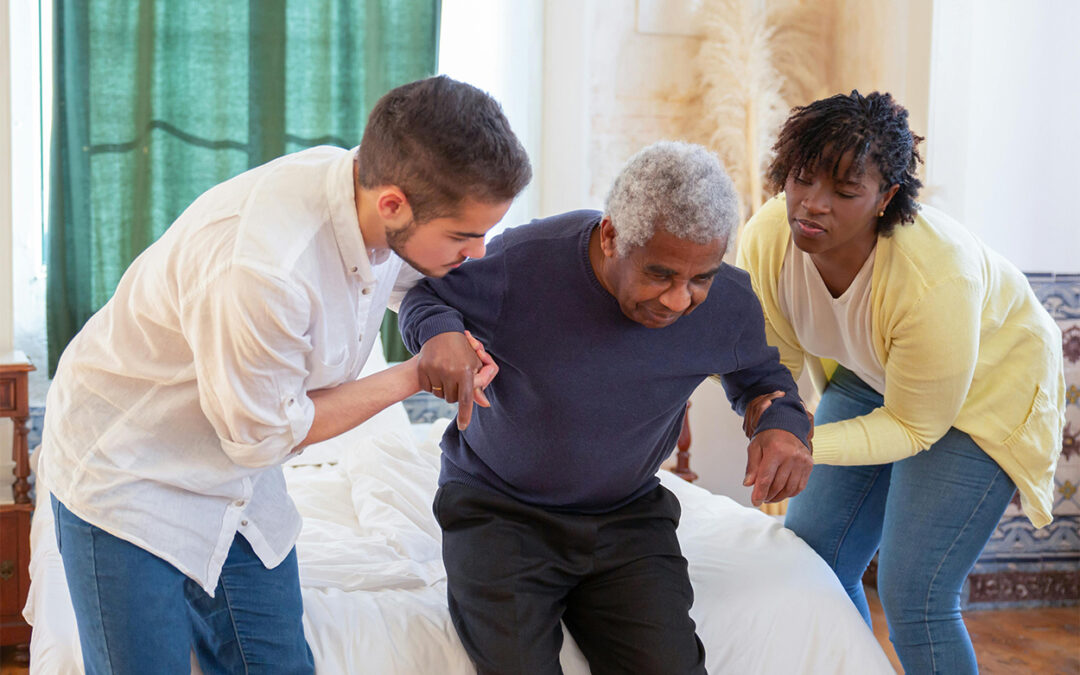
Home care prices vary by region. A common range for non-medical in-home care is approximately 25 to 40 dollars per hour in numerous U.S. markets, in some cases higher in cities. Even at 20 hours per week, that is 2,000 to 3,200 dollars each month. Double the hours for more constant coverage and the regular monthly invest can approach assisted living rates. On the other hand, a few well-placed hours can make it possible for your moms and dad to live at home for several years at a cost that feels sustainable, especially if household fills in the gaps.
Assisted living often packages space, board, activities, and base care in a regular monthly charge, with add-ons for increased assistance. Entry-level costs in many regions start around 3,500 to 5,500 dollars per month, and memory care typically runs greater. The predictability can help. You know the expense, and you are not setting up every visit. But if requirements rise, so will the service charges. Ask the center to model a scenario with the next level of care so you can expect possible jumps.
Emotional load is harder to price. Some families feel at peace with in-home senior care since they witness the care and they hold the reins. Others feel trapped by consistent oversight, a sort of low-grade on-call status that never ever ends. Assisted living can raise that concern, however some families stress they will miss out on the small things. The very best step is not theoretical. Attempt a time-limited trial where possible. 2 weeks of home care at a greater strength or a month of respite at an assisted living neighborhood can reveal the genuine weight on your shoulders.
Safety, self-respect, and the shape of good days
Oversight only matters if it causes better days. Security comes first, but self-respect sits best beside it. A strong home care plan might focus on a safe shower twice a week, morning medication suggestions, and a day-to-day walk to the mailbox, all inside familiar walls that keep memories undamaged. A strong assisted living plan may include arranged toileting to reduce accidents, group workout to preserve balance, and social meals that push a peaceful moms and dad to consume a full plate.
I think typically of a male I'll call Mr. L, a retired store instructor with early Parkinson's. In your home, he moved through his cooking area like an artisan, however the hallway carpet given in his shuffle and his better half fretted about falls. With home care, we tightened up the home's risks, added a grab bar by the back step, and arranged a caregiver in the early mornings when his medications ran low. He stayed at home for two more years, and his spouse kept the afternoons to themselves. in home care When his freezing episodes increased, the home felt suddenly smaller sized. A relocate to assisted living gave him staff within earshot, and his other half could visit without bracing for a fall during every transfer. The oversight in your home was continuous and personal; in assisted living, it ended up being patterned and shared. Both worked for a season.
Dignity also includes choice. At home, you can keep breakfast at 11 a.m. if your parent sleeps late. In assisted living, breakfast hours are limited, though many communities accommodate late risers with alternatives. At home, favorite armchairs and the canine at your feet are not benefits, they are the material of the day. In assisted living, the trade-off is simple access to activities that may never ever occur in your home: live music, bingo, manicures, or a guys's coffee group that carefully develops friendships. Ask your parent what makes a good day now, and weigh alternatives versus that answer, not the variation of life from five years ago.
Family functions and realistic bandwidth
Families typically underestimate the work of excellent coordination. The brother or sister who keeps the calendar, entertains the home health nurse, and fields 3 p.m. telephone call from a tired caretaker is doing a form of case management. That work is as genuine as the drive to the pharmacy. If the lead family member also has a demanding job or children, the bandwidth might not exist, even if the heart is willing.
In assisted living, the case management shifts toward the personnel. Your function ends up being a mix of supporter and historian. You understand your parent's baseline humor, sleep rhythm, and appetite. You can notice when something wanders off. This type of oversight is more sustainable for lots of households, specifically those at a range. It does not indicate hands off. It suggests picking a cadence that preserves your energy and your relationship with your parent.
Geography matters. If you live within ten minutes, home care oversight is easier. If you are a plane flight away, assisted living or a hybrid model might be much safer. I have seen remote adult children prosper with home care by working with a regional care manager who checks out weekly, evaluates the home for safety, and mediates with the agency. The charge is not minor, but it can support the entire arrangement.
Communication that actually works
Whether you choose elderly home care or assisted living, your communication practices will figure out how well oversight translates into much better care. Long, psychological e-mails can feel cathartic, but they typically bury the lede. Short notes with clear requests take a trip farther.
Here is a simple pattern that works in both settings:
- Observation: a couple of sentences about what you saw or heard, anchored to a date and time.
- Impact: why it matters for safety, convenience, or dignity.
- Request: a particular, practical ask, with a suggested timeline.
For example: "On Tuesday at breakfast, Mom coughed consistently with thin liquids and left her juice unblemished. She has actually lost four pounds this month. Can we attempt thicker fluids at meals and add a high-calorie shake in the afternoon beginning this week?" This is more actionable than "Mom isn't eating well," and it provides personnel a clear next step to validate or adjust.

This is one of just two lists in this short article, used here as a little template families can embrace without clutter.
What to watch for when evaluating providers
Whether it is an in-home care agency or an assisted living neighborhood, the genuine step is how they deal with modifications. Consumption conferences are polished. Real life is messier. Ask how they intensify new symptoms, who calls whom, and what happens after hours. Listen for specifics. "We call the family and the nurse reviews the circumstance" is great as a start, but better responses include amount of time, functions, and examples: "If a client falls without injury, we inform you within an hour, complete a post-fall evaluation, and display vitals for 24 hours. We schedule a care strategy examine within a week."
Scrutinize staffing stability. For home care, inquire about caretaker turnover and how typically they turn personnel on a case. For assisted living, inquire about company usage, overtime trends, and how many care aides are on the floor per shift for the unit your parent will sign up with. Numbers differ, and perfect staffing does not exist, however openness is a green flag.
Observe the ordinary. In home care, watch how a caregiver positions a gait belt or sets the wheelchair brakes every single time. These information avoid injuries. In assisted living, discover how personnel speak to residents in the hallway when they are not "on" for a tour. You can discover more from a passing greeting than a formal presentation.
Blended approaches that maintain involvement
You do not need to pick a single path permanently. Numerous households blend models to make the most of oversight and keep the tone of family life intact. A common mix is part-time senior home care throughout the week to safeguard work hours, with household dealing with weekends. Another is to start in assisted living for security, then add a private senior caretaker for a couple of hours during high-need times, like morning dressing or late afternoon when confusion spikes.
Short-term transitions matter too. After a hospital stay, even an independent parent may gain from two weeks of home care while strength returns. If the home environment proves harder than anticipated, a respite remain in assisted living can reset regimens. Try not to deal with these as failures. They are tools. The goal is not to win at one design, it is to keep your moms and dad safe and engaged with the least disruption.
How to make either choice work better
Small practices raise the quality of oversight no matter setting:
- Keep an easy care log, digital or paper, that catches weight, hunger notes, sleep quality, bowel movements, and mood. Trend over weeks, not days.
- Align on medications. Keep an upgraded list, dosage, and timing. For home care, utilize a locked box or dispenser if confusion is a problem. For assisted living, confirm that modifications from the physician flow into the med administration record within 24 to 48 hours.
This is the 2nd and final list in the article, kept short for clearness. Everything else can live in prose, and frankly should.
Beyond those fundamentals, cultivate relationships. Learn 3 staff names and utilize them. Share one individual information about your moms and dad that assists staff link, like a preferred vocalist or the truth that your mother taught second grade for thirty years and loves hearing about grandchildren. When personnel feel they understand the individual, not just the jobs, attention sharpens.
Finally, revisit the strategy. Requirements alter. The best oversight adapts without drama. If your moms and dad starts roaming during the night, home care might add night coverage or install door sensors. If assisted living notes repeated rejections of showers, you may experiment with timing, a different aide, or music Dad loves during bath time. Every change is a hypothesis. Procedure, then fine-tune again.
When to reconsider the setting
Certain patterns signal that the current model is straining. In your home, frequent missed medications, repeated falls, or caretaker fatigue that bleeds into family dispute all require a reassessment. In assisted living, weight loss, repeated health center transfers, or substantial behavioral changes might signify the requirement for memory care or additional one-on-one support.
Do not await a crisis. Request for a care conference when you see a pattern over a few weeks. Bring data, not simply impressions. "2 falls in the bathroom in the last 10 days, both after dinner," carries more weight than "She appears less steady." Teams respond to trends.
The peaceful heart of the matter
People typically request a definitive response, the ideal option, the one that ensures safety and dignity. After enough kitchen areas and conference rooms, I am convinced that the ideal option is the one that keeps your parent known and noticed. Home care does that through closeness. Assisted living does it through structure. Families provide the through line. Your participation is not a single decision, it is a rhythm of attention, a desire to find out the system you pick, and a routine of gentle persistence.
If you select home care, set clear tasks, create backup strategies, and protect the relationships on your team. If you pick assisted living, find out names, understand the service plan, and vary your presence enough to see the real day. Both paths can honor a moms and dad's life. Both can stumble and recover. Aim for steady, not perfect. Keep your concentrate on the shape of your loved one's excellent days, and let that guide how you appear, when to change, and whether to turn the wheel toward a brand-new setting as requirements evolve.
The choice is seldom final and never ever basic, but families who remain curious and practical tend to discover their method. Involvement and oversight are not about control, they have to do with care that sees the person, reacts to alter, and holds dignity at the center. Whether the address stays the household home or shifts to a new house down the roadway, that sort of care is possible, and worth the work.
FootPrints Home Care is a Home Care Agency
FootPrints Home Care provides In-Home Care Services
FootPrints Home Care serves Seniors and Adults Requiring Assistance
FootPrints Home Care offers Companionship Care
FootPrints Home Care offers Personal Care Support
FootPrints Home Care provides In-Home Alzheimer’s and Dementia Care
FootPrints Home Care focuses on Maintaining Client Independence at Home
FootPrints Home Care employs Professional Caregivers
FootPrints Home Care operates in Albuquerque, NM
FootPrints Home Care prioritizes Customized Care Plans for Each Client
FootPrints Home Care provides 24-Hour In-Home Support
FootPrints Home Care assists with Activities of Daily Living (ADLs)
FootPrints Home Care supports Medication Reminders and Monitoring
FootPrints Home Care delivers Respite Care for Family Caregivers
FootPrints Home Care ensures Safety and Comfort Within the Home
FootPrints Home Care coordinates with Family Members and Healthcare Providers
FootPrints Home Care offers Housekeeping and Homemaker Services
FootPrints Home Care specializes in Non-Medical Care for Aging Adults
FootPrints Home Care maintains Flexible Scheduling and Care Plan Options
FootPrints Home Care is guided by Faith-Based Principles of Compassion and Service
FootPrints Home Care has a phone number of (505) 828-3918
FootPrints Home Care has an address of 4811 Hardware Dr NE d1, Albuquerque, NM 87109
FootPrints Home Care has a website https://footprintshomecare.com/
FootPrints Home Care has Google Maps listing https://maps.app.goo.gl/QobiEduAt9WFiA4e6
FootPrints Home Care has Facebook page https://www.facebook.com/FootPrintsHomeCare/
FootPrints Home Care has Instagram https://www.instagram.com/footprintshomecare/
FootPrints Home Care has LinkedIn https://www.linkedin.com/company/footprints-home-care
FootPrints Home Care won Top Work Places 2023-2024
FootPrints Home Care earned Best of Home Care 2025
FootPrints Home Care won Best Places to Work 2019
People Also Ask about FootPrints Home Care
What services does FootPrints Home Care provide?
FootPrints Home Care offers non-medical, in-home support for seniors and adults who wish to remain independent at home. Services include companionship, personal care, mobility assistance, housekeeping, meal preparation, respite care, dementia care, and help with activities of daily living (ADLs). Care plans are personalized to match each client’s needs, preferences, and daily routines.
How does FootPrints Home Care create personalized care plans?
Each care plan begins with a free in-home assessment, where FootPrints Home Care evaluates the client’s physical needs, home environment, routines, and family goals. From there, a customized plan is created covering daily tasks, safety considerations, caregiver scheduling, and long-term wellness needs. Plans are reviewed regularly and adjusted as care needs change.
Are your caregivers trained and background-checked?
Yes. All FootPrints Home Care caregivers undergo extensive background checks, reference verification, and professional screening before being hired. Caregivers are trained in senior support, dementia care techniques, communication, safety practices, and hands-on care. Ongoing training ensures that clients receive safe, compassionate, and professional support.
Can FootPrints Home Care provide care for clients with Alzheimer’s or dementia?
Absolutely. FootPrints Home Care offers specialized Alzheimer’s and dementia care designed to support cognitive changes, reduce anxiety, maintain routines, and create a safe home environment. Caregivers are trained in memory-care best practices, redirection techniques, communication strategies, and behavior support.
What areas does FootPrints Home Care serve?
FootPrints Home Care proudly serves Albuquerque New Mexico and surrounding communities, offering dependable, local in-home care to seniors and adults in need of extra daily support. If you’re unsure whether your home is within the service area, FootPrints Home Care can confirm coverage and help arrange the right care solution.
Where is FootPrints Home Care located?
FootPrints Home Care is conveniently located at 4811 Hardware Dr NE d1, Albuquerque, NM 87109. You can easily find directions on Google Maps or call at (505) 828-3918 24-hoursa day, Monday through Sunday
How can I contact FootPrints Home Care?
You can contact FootPrints Home Care by phone at: (505) 828-3918, visit their website at https://footprintshomecare.com, or connect on social media via Facebook, Instagram & LinkedIn
FootPrints Home Care is proud to be located in the Albuquerque, NM serving customers in all surrounding communities, including those living in Rio Rancho, Albuquerque, Los Lunas, Santa Fe, North Valley, South Valley, Paradise Hill and Los Ranchos de Albuquerque and other communities of Bernalillo County New Mexico.